Slitting Knives
Versatile slitting knives ensure precise, high-speed cutting across packaging, textiles, paper, and manufacturing industries, delivering clean edges, minimal waste, and enhanced productivity.
Introduction to Slitting Knives
Slitting knives are essential tools in various industrial applications, primarily designed to cut materials with precision. These blades are widely used in sectors such as packaging, printing, and metal processing, where they efficiently shear through layers of material, including films, paper, and steel. The design of slitter knives focuses on maintaining a sharp edge to ensure high-quality cuts and minimal wear during operation. As manufacturers strive for greater efficiency, advancements in technology and materials have led to the development of high-performance knives that accommodate varying thicknesses and coatings. These innovations enhance production processes and help industries achieve superior results.
What Are Slitting Knives?
Slitting knives are specialized cutting tools designed to slice materials into precise widths, making them essential in various industrial applications. These knives, often referred to as slitter knives, feature sharp edges that allow for efficient cutting of materials such as paper, film, and metal. Typically constructed from high-quality steel, slitting knives are engineered to withstand wear and maintain their edge during the cutting process. Manufacturers often apply coatings to enhance durability and reduce friction. The precision and efficiency provided by slitting knives significantly improve production processes, ensuring consistent quality in the final products while accommodating varying material thicknesses, often measured in mm.
Types of Slitting Knives
| Type of Slitting Knife |
Description | Applications | Advantages |
|---|---|---|---|
| Circular Knives | Round blades that rotate on a slitter machine to cut materials. | Used in packaging, textiles, and plastics. | Provide high cutting efficiency and uniform thickness. |
| Straight Knives | Long, flat blades ideal for cutting thicker materials. | Common in wood processing and paper industries. | Excellent for precise cuts and less wear during operation. |
| Serrated Knives | Feature a jagged edge, enhancing grip on slippery materials. | Effective for cutting rubber, foam, and soft plastics. | Reduce shear force requirements and improve cutting speed. |
| Variations in Size | Blades can vary in diameter from a few mm to over 300 mm, depending on the material and application. | Tailored for specific industrial processes. | Custom sizes ensure optimal performance for diverse products. |
Each type of slitting knife plays a crucial role in the slitting process, allowing manufacturers to achieve high-quality cuts in various materials.
Rotary Slitting Knives
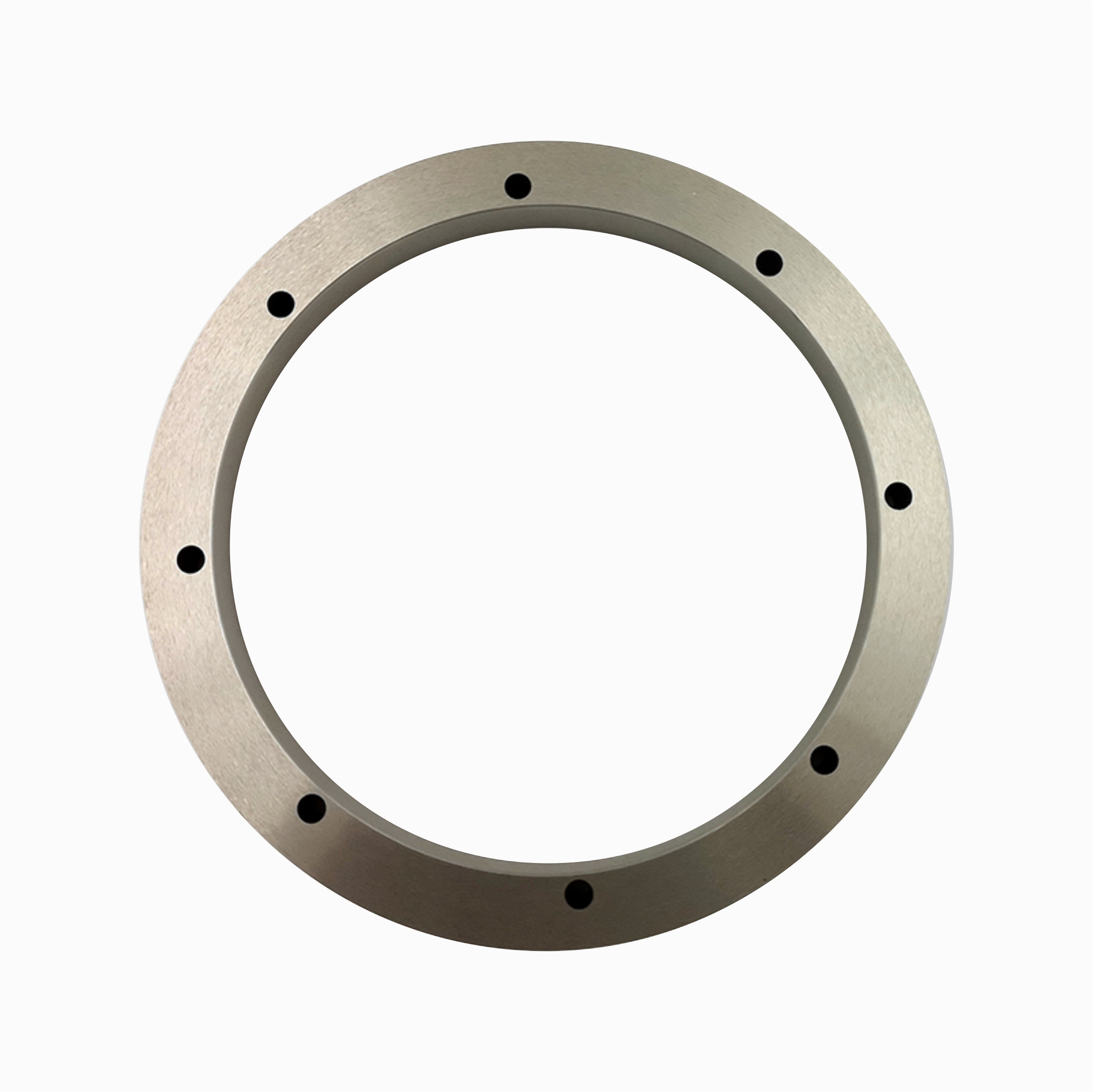
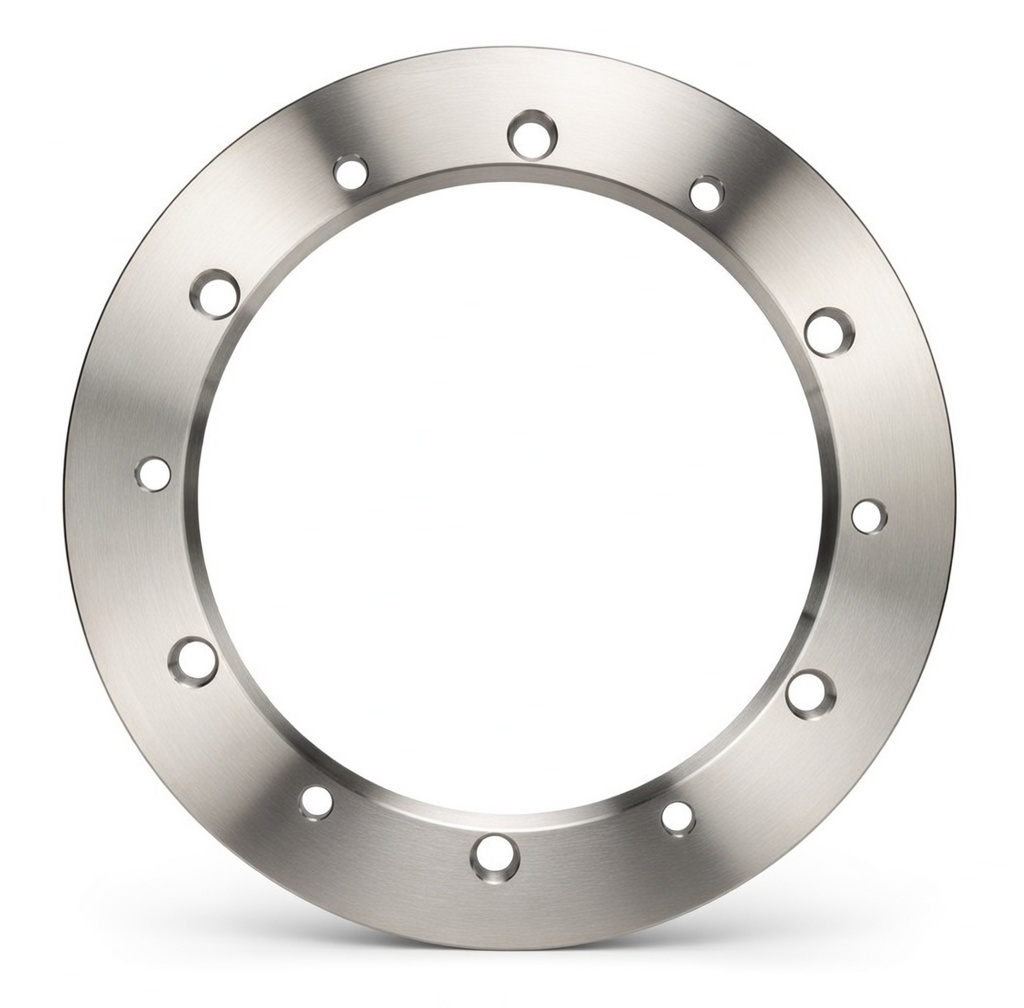
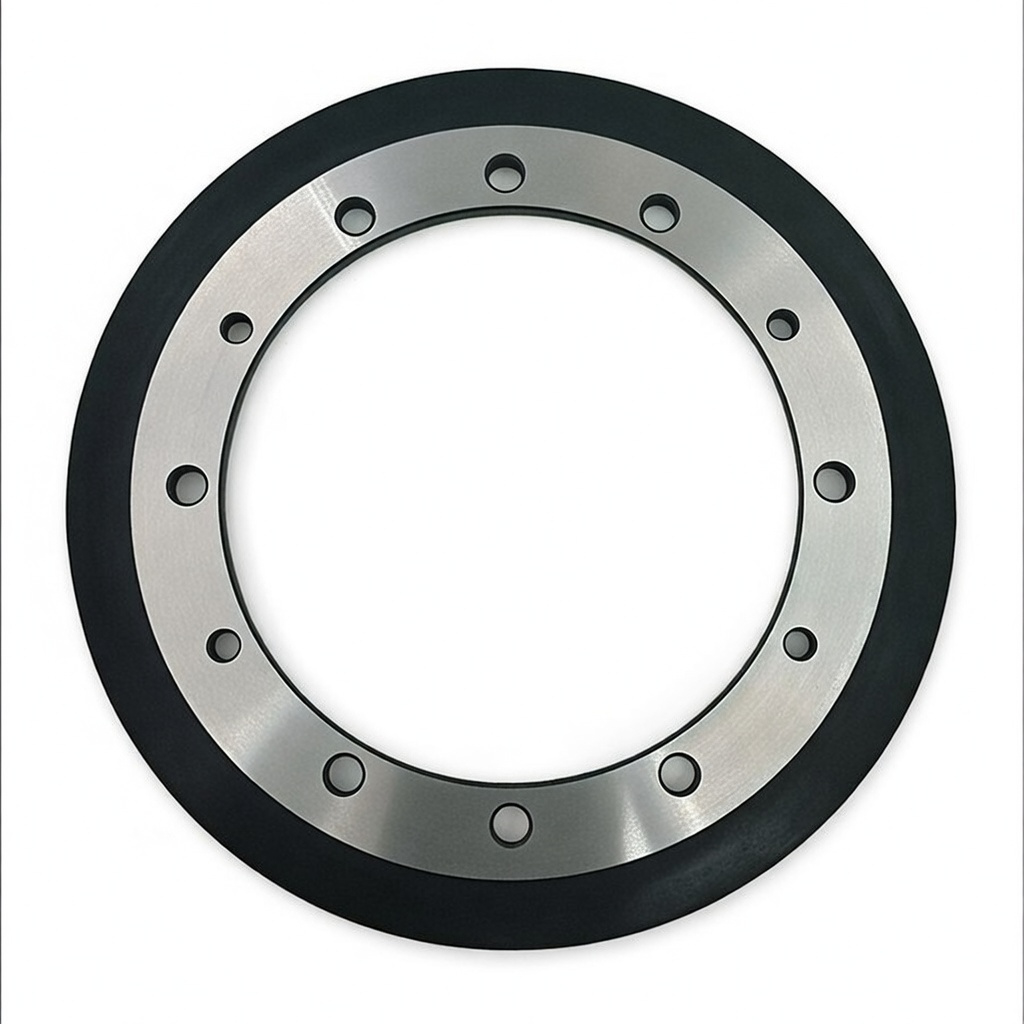
Rotary slitting knives are essential tools designed for high-precision cutting in various industrial applications. These blades typically feature a ring design made from durable steel, allowing them to effectively shear through materials with minimal resistance. Their functionality lies in their ability to produce clean cuts on a range of products, making them ideal for use in machines such as slitters. Compared to traditional cutting methods, rotary slitting knives offer superior quality and efficiency, particularly for materials requiring consistent thickness. Coatings like titanium or carbide can enhance their performance and longevity. Proper maintenance, including regular sharpening and cleaning, will ensure that these knives continue to deliver optimal results over time.
Straight Slitting Knives
Straight slitting knives are precision-engineered blades designed for high-performance cutting applications. These knives are typically made from high-quality steel, ensuring durability and longevity in demanding environments. The functionality of straight slitting knives lies in their ability to provide clean, straight cuts, making them ideal for various materials, including paper, film, and textiles. Compared to other types of knives, straight slitting knives offer superior cutting accuracy and reduced waste. Common applications span multiple industries, from packaging to automotive. To maintain optimal performance, regular inspection and sharpening are essential, ensuring that your slitter machine operates at its best.
Shear Slitting Knives
Shear slitting knives are precision-engineered blades designed for high-performance cutting in various industrial applications. Typically made from high-quality steel, these knives provide exceptional durability and sharpness. The design often features a ring or circular configuration, allowing for efficient slitting of materials such as paper, film, and textiles. Compared to other cutting methods, shear slitting knives offer cleaner cuts, reduced waste, and enhanced operational efficiency. It is essential to maintain these knives through regular sharpening and proper alignment to ensure optimal performance. By selecting the right shear slitting knife, you will achieve the best results in your production processes.
Applications of Slitting Knives
Slitting knives play a crucial role across various industries, including packaging, textiles, and manufacturing. In packaging, these high-precision blades are used to cut films and paper, ensuring clean edges and reducing waste. In the textile sector, slitting knives efficiently slice through multiple layers of fabric, enhancing productivity while maintaining quality. In manufacturing, they serve to create precise cuts in materials like rubber and foam, optimizing the production process. Emerging trends indicate a growing focus on smart slitting knives equipped with sensors, which will enhance operational efficiency and predictive maintenance, ensuring they remain the best choice for industrial applications.
Packaging Industry
In the packaging industry, slitting knives play a pivotal role in enhancing efficiency and precision during production processes. These high-performance blades are essential for cutting various materials, including cardboard, plastic, and film, ensuring clean and accurate edges. Slitting knives are used in applications such as roll-to-roll processing and packaging line setups, where speed and precision are crucial. Recent advancements in slitting knife technology, such as improved coatings and materials, have not only increased blade longevity but also contributed to sustainability by minimizing waste. By investing in state-of-the-art slitting knives, you will enhance your packaging operations and drive overall productivity.
Textile Industry
In the textile industry, slitting knives play a crucial role in the cutting and processing of fabrics. These specialized blades are designed to deliver high precision and efficiency, ensuring clean and accurate cuts across various materials. Common types of slitting knives include rotary knives, straight knives, and circular blades, each tailored for specific applications such as weaving and finishing. The precision offered by these cutting tools significantly enhances production speed, reducing waste and improving overall product quality. Furthermore, advancements in slitting knife technology—such as enhanced materials and coatings—continue to elevate their performance, making them indispensable in modern textile manufacturing.
Paper and Printing Industry
In the paper and printing industry, slitting knives play a crucial role in the cutting and trimming processes, ensuring high precision and efficiency. These knives are designed to handle a variety of materials, including paper, cardboard, and flexible packaging, with thicknesses ranging from thin sheets to robust materials. Key features that enhance their performance include advanced coatings for improved durability and reduced friction, as well as specialized geometries that allow for cleaner cuts. Recent innovations in slitting knife technology, such as laser sharpening and high-speed steel formulations, have significantly improved their longevity and cutting efficiency, catering to the evolving demands of the industry.
Materials Used in Slitting Knives
- High-Speed Steel (HSS): Renowned for its exceptional hardness and resistance to wear, HSS maintains its cutting edge at elevated temperatures, making it ideal for high-speed applications.
- Carbide: This material offers superior hardness and longevity compared to HSS. Its wear resistance significantly reduces downtime, thus enhancing productivity in slitting operations.
- Alloy Steels: Various alloy compositions can be tailored to achieve specific performance characteristics, such as improved toughness and corrosion resistance, making them suitable for diverse applications.
- Emerging Materials: Advances in coatings and composite materials, such as ceramic and nano-coatings, are being explored to further enhance the performance and durability of slitting knives, promising a new era in cutting technology.
High-Speed Steel (HSS)
High-Speed Steel (HSS) is a crucial material in the manufacturing of slitting knives due to its exceptional properties. Renowned for its hardness, HSS maintains sharp edges even under high-stress conditions, which is vital for precise cutting. Its heat resistance enables it to withstand elevated temperatures generated during operation without losing its structural integrity. Furthermore, HSS exhibits remarkable wear resistance, ensuring prolonged lifespan and reduced frequency of replacements.
These characteristics make HSS an ideal choice for applications such as metal processing, paper slitting, and plastic cutting, where durability and efficiency are paramount. By choosing HSS for slitting knives, you enhance performance and optimize production processes.
Carbide
Carbide materials are renowned for their exceptional durability and wear resistance, making them an ideal choice for slitting knives. These properties significantly enhance cutting performance, allowing for longer operational lifespans even under demanding conditions. The hardness of carbide results in reduced blade degradation, which translates to less frequent replacements and lower operational costs. Industries such as packaging, textiles, and metal processing particularly benefit from carbide slitting knives, where precision and efficiency are paramount. By investing in carbide blades, you ensure consistent quality and reliability, ultimately optimizing your production processes and enhancing overall productivity.
Coated Blades
Coated blades in slitting knives offer significant advantages, enhancing performance, durability, and cutting precision. Common coatings include titanium nitride (TiN), tungsten carbide (WC), and chromium nitride (CrN), each providing unique benefits. For instance, TiN coatings reduce friction and increase wear resistance, making them ideal for cutting softer materials, while WC coatings excel in high-temperature applications, ensuring longevity. CrN coatings, on the other hand, are known for their excellent corrosion resistance, suitable for cutting materials like plastics and composites. To maintain optimal performance, it is essential to implement proper care routines, including regular cleaning and inspection, to prevent coating degradation and ensure consistent cutting efficiency.
Factors to Consider When Choosing Slitting Knives
When selecting slitting knives, several critical factors must be taken into account to ensure optimal performance and product quality. Material compatibility is paramount; for instance, using high-speed steel for cutting tougher materials can enhance longevity. The blade geometry also plays a significant role; a knife with a sharp angle can improve cutting precision, particularly in applications requiring tight tolerances. Additionally, you should consider the specific application requirements—for example, in packaging industries, a serrated edge may be essential for cutting through layered materials efficiently. Each of these factors directly influences the efficiency and quality of the final product, underscoring the need for careful selection.
Material Type
When selecting slitting knives, the choice of material is crucial for performance and longevity. High-speed steel (HSS) offers excellent sharpness and durability, making it ideal for high-speed applications. However, it can be prone to corrosion if not properly maintained. Carbide, on the other hand, provides superior wear resistance and retains its sharpness longer, making it suitable for cutting tougher materials, though it is more brittle. Stainless steel combines good corrosion resistance with moderate durability, often used in environments where hygiene is essential. Understanding these material characteristics will aid you in making informed procurement decisions.
Knife Geometry
Knife geometry plays a crucial role in the performance of slitting knives, influencing their efficiency and effectiveness in various applications. Key geometrical aspects include blade shape, thickness, and edge design.
For instance, a thin blade offers precision when cutting softer materials, while a thicker blade provides enhanced durability for tougher substrates. Additionally, the edge design—whether straight, serrated, or bevelled—affects how well the knife can penetrate and slice through different materials.
Comparatively, straight-edge knives excel in clean cuts for films and paper, whereas serrated edges are advantageous for fibrous materials. Understanding these geometric features is essential for selecting the appropriate slitting knife for specific industrial needs.
Cutting Speed and Performance
Cutting speed significantly influences the performance of slitting knives, directly affecting efficiency and precision. Different materials, such as high-speed steel and carbide, exhibit varying wear resistance and thermal properties, impacting the optimal speed range for specific applications. Higher cutting speeds can generate excessive heat, leading to premature wear and diminished performance. Conversely, operating within the ideal speed parameters enhances cutting quality and prolongs tool life. It is essential to consider factors such as material thickness and type when determining the cutting speed. Selecting the appropriate cutting speed is crucial for maximizing productivity while ensuring the quality of the cut is maintained.
Conclusion
In conclusion, slitting knives play a crucial role across various industries, facilitating precise cutting and enhancing production efficiency. The article highlighted advancements in materials and coatings that improve durability and performance, along with trends towards automation in slitting processes. As industries evolve, users should consider these innovations when selecting slitting knives to ensure optimal results. Future developments may focus on smart technologies for real-time monitoring and maintenance, which could further enhance the effectiveness of slitting knives. By keeping abreast of these trends and advancements, you can make informed decisions that align with your operational needs.
How often should slitting knives be sharpened?
The frequency of sharpening slitting knives largely depends on factors such as the material type, usage intensity, and desired cut quality. For softer materials, knives may require sharpening after every 500-1,000 cuts, while harder materials may necessitate more frequent attention. Signs of dullness include ragged edges, increased friction, and poor cut quality.
To maintain optimal performance, inspect your knives regularly and implement a scheduled maintenance routine. Between sharpenings, consider using protective covers and proper storage to prolong sharpness. Additionally, employing a light oil on the blades can minimize corrosion and wear, ensuring longer intervals between necessary sharpenings.
What materials can slitting knives cut?
Slitting knives are engineered to cut a diverse range of materials, each presenting unique challenges and requirements. Paper, for instance, is commonly processed in the printing and packaging industries, where precision and clean cuts are essential to avoid tearing. Plastics, frequently used in manufacturing and packaging, vary in thickness and composition, necessitating specialized knife designs to ensure effective slitting without deformation. Metals, such as aluminum and steel, are cut in industries like automotive and aerospace, requiring robust knives that can withstand high stress and heat. Understanding these material properties is crucial for optimizing the performance of slitting knives in various applications.
Can slitting knives be reused?
The feasibility of reusing slitting knives hinges on several critical factors, including material wear, maintenance practices, and cost-effectiveness. Over time, slitting knives experience wear that can affect their performance and product quality. Regular maintenance, such as sharpening and inspection, is essential to determine their viability for reuse. Industry standards often guide best practices, emphasizing the importance of ensuring that reused knives meet safety and quality benchmarks. While reusing slitting knives can reduce costs and waste, it may also lead to compromised cutting precision and increased downtime if the knives are not adequately maintained. Ultimately, the decision to reuse should weigh these potential benefits against the risks involved.
Why is tungsten carbide the best material for corrugated slitter knives?
Tungsten carbide is widely regarded as the optimal material for corrugated slitter knives due to its exceptional properties. With a hardness rating exceeding 1600 HV, tungsten carbide significantly outperforms alternative materials like high-speed steel and carbon steel, which are more prone to wear and deformation. Its remarkable wear resistance ensures that blades maintain their sharpness longer, reducing the frequency of replacements and downtime. Additionally, tungsten carbide exhibits excellent durability under high-stress conditions, contributing to enhanced operational efficiency. These characteristics ultimately lead to greater cost-effectiveness in industrial applications, making tungsten carbide the preferred choice for discerning buyers seeking reliability and performance in slitting operations.