
Round Knives
Precision round knives deliver clean, efficient cuts with exceptional durability for food processing, plastics, textiles, paper, and specialized industrial applications.
-
Round knives for paper
Round knives for the paper and cardboard industry -
Round knives for food
Round knives for the food industry -
Round knives for plastics
Round knives for the plastics industry -
Round knives for textiles
Round knives for the textile industry -
Round knives for construction materials
Round knives for the construction materials
Introduction to Round Knives
Round knives are specialized cutting tools characterized by their circular blade design, which allows for smooth and continuous cutting motions. Their functionality extends across various industries, including textiles, leather, and food processing, where precision and efficiency are paramount. Unlike traditional cutting tools, round knives excel in delivering consistent results with less effort, minimizing material waste and enhancing productivity. Their ability to cut through various materials with ease makes them invaluable in modern manufacturing processes. By adopting round knives, you can significantly improve operational efficiency and ensure high-quality outcomes in your cutting applications.
What Are Round Knives?
Round knives are specialized cutting tools characterized by their circular blades, which enable a unique cutting motion. Their design allows for a continuous cutting action, making them particularly effective in various applications, including packaging, textiles, and food processing. The round knife’s ability to slice through materials with precision reduces the risk of fraying and ensures clean cuts. Compared to traditional straight knives, round knives offer notable advantages such as enhanced efficiency and the ability to maintain consistent cutting pressure. This results in improved productivity and reduced material waste, making them an ideal choice for industries that prioritize quality and precision in their operations.
Definition and Purpose
Round knives are specialized cutting tools characterized by their circular blades and ergonomic designs. Typically made from high-quality steel or other durable materials, these knives are engineered for precision and longevity. Their primary purpose is to facilitate efficient cutting in various industries, including packaging, textiles, and food processing. The round blade allows for smooth, continuous cuts, enhancing both speed and accuracy in production processes. This design not only improves cutting efficiency but also minimizes material waste, making round knives an essential tool for industrial buyers seeking reliable and effective solutions for their cutting needs.
How Round Knives work
Round knives operate through a unique circular blade design that allows for smooth, continuous cutting motions. Typically crafted from high-carbon steel or carbide, these knives are engineered for durability and sharpness. The round shape enables the blade to glide through materials with minimal resistance, making them ideal for precision cutting in industries such as textiles, leather, and packaging. Compared to traditional straight knives, round knives provide several advantages, including reduced operator fatigue and enhanced cutting accuracy. Their ability to cut through multiple layers simultaneously further increases efficiency, making them a valuable tool for industrial applications.
Types of round Knives
Standard Round Knives: Typically made from high-carbon steel, these knives are versatile and widely used in industries such as textiles and leatherworking. Their sharp, curved blades allow for precise cutting of various materials.
Heavy-Duty Round Knives: Constructed from tougher materials like stainless steel, these knives are designed for demanding tasks in industries such as automotive and construction. Their robustness ensures longevity and effectiveness in cutting thick or tough materials.
Electric Round Knives: Featuring a motorized mechanism, these knives increase efficiency in high-volume production environments, such as garment manufacturing. They reduce operator fatigue and provide consistent cutting performance.
Specialized Round Knives: Tailored for specific applications, these knives may include features like serrated edges for cutting through fibrous materials, commonly found in packaging and food processing industries.
When choosing a round knife, consider factors such as material compatibility, blade sharpness, and the specific requirements of the task to ensure optimal performance.

Standard round Knives
Standard round knives are essential tools in various industries, including leather, textiles, and food processing. These knives are characterized by their circular blades, typically ranging from 6 to 12 inches in diameter, allowing for efficient cutting of large materials. Constructed from high-carbon steel or stainless steel, they offer durability and resistance to wear.
One of the significant advantages of standard round knives is their ability to provide smooth, continuous cuts, reducing the risk of fraying or damaging the material. Compared to other cutting tools, such as straight knives or rotary cutters, round knives excel in applications requiring intricate curves or precise cutting patterns. Their versatility and effectiveness make them a preferred choice for industrial buyers seeking reliable cutting solutions.
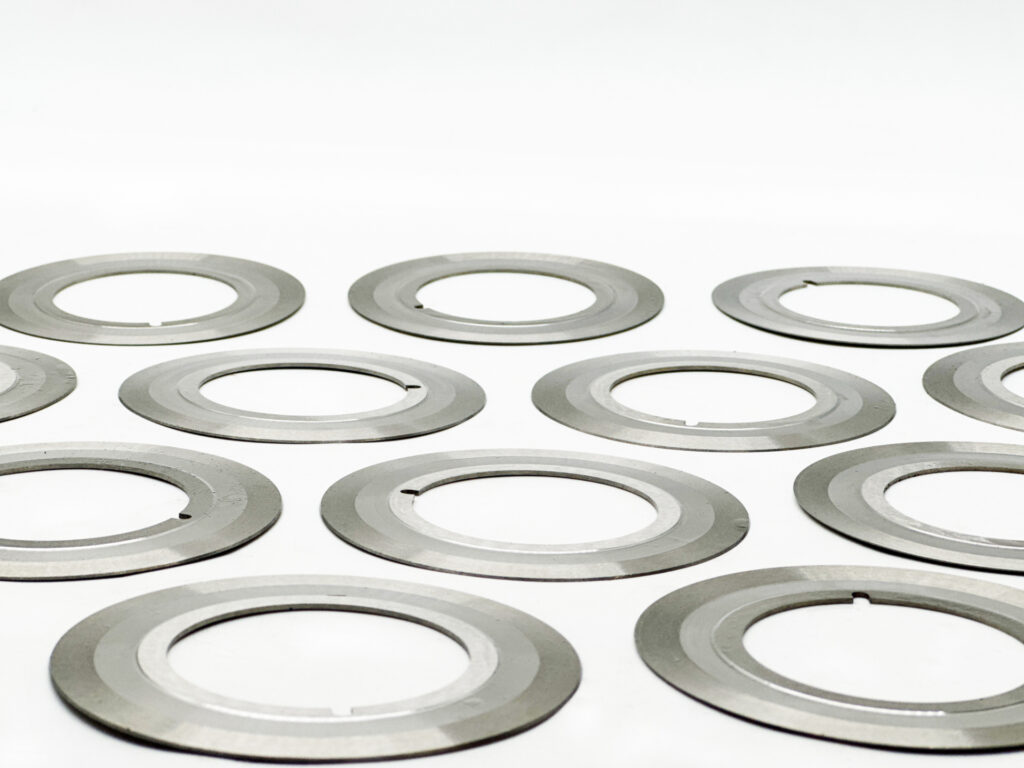
Specialized round Knives
Specialized round knives play a crucial role in various industries, enhancing both efficiency and precision in operations. In packaging, round knives are designed for swift, clean cuts, ensuring minimal waste and optimal material usage. In the textile sector, these knives facilitate intricate patterns and designs, significantly reducing production time. Similarly, in food processing, specialized round knives ensure hygienic and precise slicing, crucial for maintaining quality standards. Recent advancements in materials, such as high-carbon stainless steel and coatings that reduce friction, have further improved the performance of these tools, making them indispensable for industrial applications.
Applications of round Knives
Round knives are invaluable tools across various industries due to their versatility and efficiency. In the packaging sector, they excel in cutting films and foils with precision, ensuring clean edges that enhance product presentation. The textile industry benefits from round knives for cutting multiple layers of fabric simultaneously, significantly reducing processing time. In food processing, these knives are used for slicing meats, cheeses, and vegetables, maintaining hygiene and uniformity. The primary advantage of round knives over traditional cutting methods lies in their ability to provide consistent cuts with minimal effort, thereby improving productivity and reducing material waste.
Industries Using round Knives
Round knives are indispensable tools across various industries, offering exceptional efficiency and precision. In the packaging sector, they are commonly used for cutting flexible materials, ensuring clean edges and minimizing waste. In food processing, round knives facilitate the rapid slicing of meats and cheeses, enhancing production speed while maintaining hygiene standards. The textile industry benefits from their ability to cut through multiple fabric layers effortlessly, promoting accuracy in garment manufacturing. Moreover, in the paper production sector, round knives are essential for trimming and shaping paper products, ensuring uniformity in size and quality. Overall, these tools significantly contribute to operational efficiency and product quality in diverse applications.
Common Uses in Manufacturing
Round knives are essential tools in various manufacturing processes, known for their efficiency and precision. In industries such as textiles, food processing, and packaging, round knives excel in delivering clean and consistent cuts. Their circular design allows for smooth, uninterrupted cutting actions, which significantly reduces material waste and enhances production speed. Compared to traditional cutting methods, round knives provide greater versatility, accommodating a range of materials and thicknesses. This adaptability, coupled with their ability to maintain sharpness over extended use, underscores their importance in modern manufacturing environments, ultimately leading to improved operational efficiency and product quality.

Advantages of round Knives
Round knives offer several key advantages across various industries, enhancing efficiency and precision in cutting applications. Their circular design allows for smooth, continuous cuts, making them particularly advantageous in sectors such as packaging, textiles, and food processing. For instance, in packaging, round knives ensure clean edges for materials, reducing waste and improving throughput. In textiles, they provide uniform cuts that minimize fabric fraying, while in food processing, they deliver consistent portion sizes, ensuring quality control. These benefits not only enhance productivity but also contribute to overall cost-effectiveness, making round knives an essential tool for industrial applications.
Efficiency and Precision
Round knives significantly enhance efficiency across various cutting applications by facilitating continuous and smooth cutting motions. This design allows operators to maintain a steady pace, reducing fatigue during prolonged use. For instance, in the textile industry, round knives enable seamless fabric cutting, minimizing fraying and waste.
In culinary settings, precision is paramount; round knives provide accurate cuts essential for consistent portion sizes, ensuring quality in plated dishes. A case study in a commercial kitchen demonstrated that switching from traditional knives to round knives improved both speed and accuracy, resulting in a 20% increase in productivity. Such advantages highlight the superiority of round knives in achieving operational excellence.
Choosing the Right round Knife
When selecting a round knife, consider key factors such as material, size, and intended application. High-quality steel blades offer durability and sharpness, while size should correspond to the scale of your cutting tasks. Ensure the knife’s specifications align with the specific requirements of your applications to achieve optimal performance. For instance, a larger blade may be necessary for thicker materials, while a smaller blade could enhance precision for intricate cuts.
To maintain efficiency and longevity, regularly sharpen the blade and clean it after use. Proper storage in a protective sheath will also prevent damage, ensuring your round knife remains an essential tool in your industrial operations.
Factors to Consider
Material: The choice of material significantly affects the knife’s sharpness and longevity. For example, high-carbon steel blades offer superior edge retention but require more maintenance, while stainless steel provides corrosion resistance, making it ideal for humid environments.
Blade Size: Selecting the appropriate blade size is crucial for specific applications. A larger blade may be suitable for cutting thick materials, while a smaller blade allows for precision in detailed work.
Application-Specific Features: Features such as serrated edges or specialized coatings can enhance performance. For instance, a serrated edge is beneficial for cutting through tough fabrics, while a non-stick coating can improve efficiency in sticky materials.
Performance and Durability: Consider how these factors influence the knife’s overall performance and durability. A well-chosen round knife can lead to increased efficiency and reduced downtime in industrial settings, ultimately impacting production costs.
Conclusion
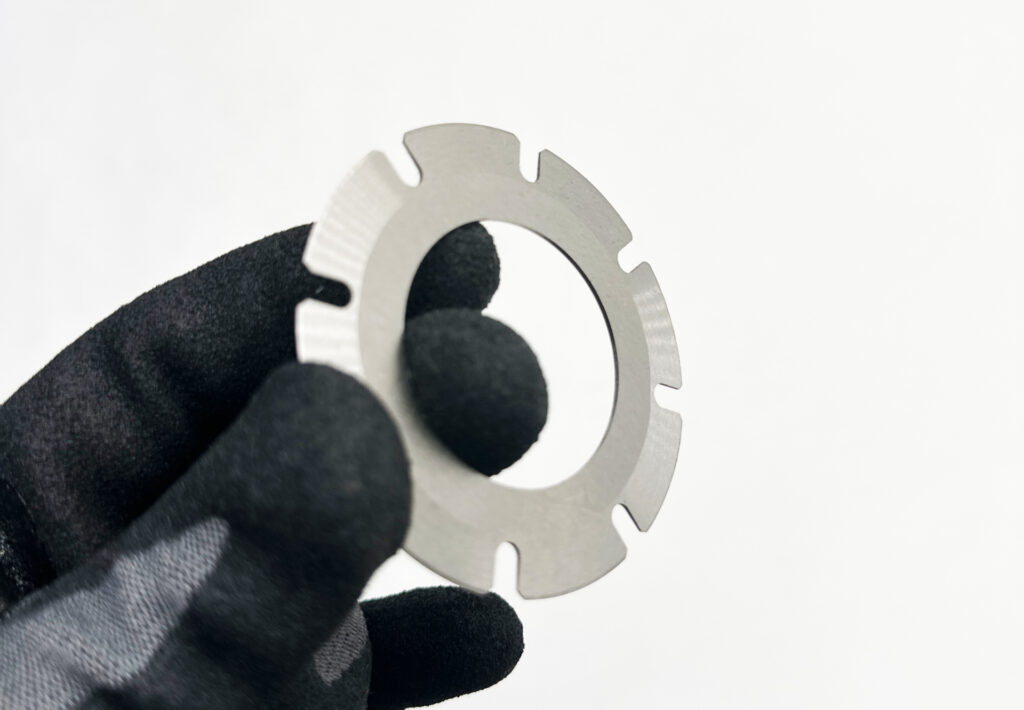
In conclusion, round knives are essential tools that offer exceptional versatility across various industries, from textile manufacturing to food processing. Their unique design allows for precise cutting, improving efficiency and reducing waste. Emerging trends, such as advancements in blade materials and automation, are set to enhance their performance and broaden their applications even further. As industries evolve, the integration of round knife technology can lead to significant benefits, including increased productivity and cost savings. We encourage you to consider adopting round knife solutions in your operations, as they can significantly enhance your cutting processes and overall operational efficiency.
What are the main types of round knives used in industrial slitting?
In industrial slitting applications, three main types of round knives are commonly utilized: standard, scalloped, and serrated knives.
- Standard knives feature smooth edges, ideal for clean cuts in materials like paper and film, ensuring minimal fraying.
- Scalloped knives have rounded notches along the edge, which excel in cutting thicker materials, such as textiles and rubber, providing a more efficient feed while reducing drag.
- Serrated knives possess sharp, jagged edges suitable for cutting through tough materials like leather and composites, enhancing grip and preventing slippage during operation.
These knives are typically manufactured from high-carbon steel or carbide, ensuring durability and longevity in demanding industrial environments.
How do I choose the right blade for my specific machine or application?
When selecting the right round knife blade for your specific machine or application, consider several key factors. Material compatibility is crucial; ensure the blade is suited for the material you intend to cut, whether it be fabric, leather, or other substrates. Additionally, evaluate the cutting speed required for your operation, as this can affect efficiency and quality. The desired finish should also guide your choice, as different blades yield varying levels of precision. Always consult the machine manufacturer’s guidelines to ensure compatibility and performance. For example, using a specialized blade for intricate designs can enhance the final product’s quality.